
Watch Size Guide for Female Wrists: A Comprehensive Overview
Navigating watch selection requires understanding wrist size, as 40% of the workforce are women, influencing preferences for comfort and style.

Understanding Wrist Size & Watch Fit
Determining the ideal watch size begins with accurately measuring your wrist; a comfortable fit is paramount. Female wrist sizes vary, impacting aesthetic balance and wearability. Considering that 99% of female BL literature readers are heterosexual, preferences lean towards styles complementing their wrist. A watch shouldn’t feel constricting or appear disproportionately large. Understanding the nuances of male/female distinctions – gender versus biological sex – aids in selecting appropriately sized timepieces. Proper fit enhances both comfort and confidence, reflecting personal style.
Why Watch Size Matters for Women
For women, watch size significantly impacts overall aesthetic harmony and comfort. Given women comprise 40% of the workforce, a professional appearance is often key. A too-small watch can appear dainty and easily lost, while an oversized one may feel cumbersome. Considering the nuances of ‘male’ and ‘female’ as descriptors, proportion is vital. Selecting the right size enhances confidence and reflects individual style, avoiding discomfort or an unbalanced look. It’s about finding a timepiece that complements, not overwhelms, the wrist.
Measuring Your Wrist Accurately
Precise wrist measurement is fundamental for selecting a well-fitting watch. As with understanding ‘male’ and ‘female’ distinctions, accuracy matters. Use a flexible measuring tape, or a string and ruler. Wrap it snugly around your wrist bone, noting the measurement where it overlaps. Don’t pull too tight, or the measurement will be inaccurate. This crucial step ensures comfort and style, avoiding watches that feel too loose or constricting, impacting daily wearability.
Tools You’ll Need
For accurate wrist measurement, minimal tools are required. A flexible measuring tape is ideal, ensuring a snug but not constricting fit around your wrist bone. Alternatively, a non-stretchable string or ribbon combined with a standard ruler will suffice. A pen or marker is helpful for marking the string’s overlap point. These simple tools, like understanding ‘man’ and ‘woman’, provide the foundation for a comfortable watch selection process.
Step-by-Step Wrist Measurement Guide
Begin by placing the measuring tape snugly, but comfortably, just above your wrist bone. Ensure it’s not too tight, allowing for natural movement. Record the measurement in inches. If using string, mark the overlapping point, then measure that length with a ruler. Remember, 99% of female BL literature readers are heterosexual, highlighting diverse preferences – just as wrist sizes vary! Repeat for accuracy, considering both wrists, as sizes can differ.
Common Female Wrist Sizes
Generally, female wrist sizes fall into three categories. Small wrists measure under 5.5 inches, often favoring delicate watch styles. Medium wrists, ranging from 5.5 to 6.5 inches, offer versatility in watch choices. Larger wrists, 6.5 inches and above, can accommodate bolder designs. Remember, like preferences for yuri versus BL, wrist sizes are diverse, with individual variation being key.
Small Wrist (Under 5.5 inches)
For wrists under 5.5 inches, prioritize proportionality and comfort. Case sizes between 30mm-34mm generally appear balanced, avoiding an overwhelmed look. Delicate and minimalist watch styles are particularly flattering. Consider lightweight materials like titanium or resin to enhance comfort. Remember, even within female preferences, like yuri readership, individual style matters most.
Medium Wrist (5.5 ‒ 6.5 inches)
Women with medium wrists (5.5-6.5 inches) enjoy considerable versatility in watch size. Case diameters ranging from 34mm to 38mm typically provide a harmonious aesthetic. Both round and square faces can work well, depending on personal preference. Stainless steel offers a balance of durability and weight. As with all choices, consider proportion – mirroring the 99% of BL literature readers who are heterosexual.
Large Wrist (6.5 inches and above)
For wrists measuring 6.5 inches or greater, bolder watch styles often appear most balanced. Case sizes from 38mm to 42mm and beyond can be confidently worn. Larger faces make a statement, echoing the popularity of oversized trends. Heavier materials like gold are suitable, though weight should remain comfortable. Remember, like the 40% female workforce, individual style is paramount.
Watch Case Size Recommendations
Selecting the right case size is crucial for proportional aesthetics. Women, representing 40% of the workforce, have diverse wrist sizes. Smaller wrists (under 5.5 inches) suit 30mm-34mm cases. Medium wrists (5.5-6.5 inches) benefit from 34mm-38mm. Larger wrists (6.5 inches+) can handle 38mm-42mm+. Consider that, like gendered language, size impacts overall appearance and comfort.
Case Size for Small Wrists (30mm ⸺ 34mm)
For wrists under 5.5 inches, a 30mm-34mm case offers elegant proportion. These sizes avoid appearing bulky, mirroring delicate, minimalist watch styles. Considering 99% of female BL literature readers are heterosexual, subtlety often appeals. A smaller case complements a feminine aesthetic, ensuring comfort and avoiding overwhelm. Like choosing between ‘man’ and ‘woman’, size defines balance.
Case Size for Medium Wrists (34mm ‒ 38mm)
Women with 5.5 to 6.5-inch wrists generally find 34mm-38mm cases ideal. This range balances visibility with comfortable wear, accommodating both classic and slightly bolder styles. Reflecting the diverse representation of women (40% of the workforce), these sizes offer versatility. Like the distinction between ‘male’ and ‘female’, this range provides a balanced aesthetic.
Case Size for Large Wrists (38mm ‒ 42mm+)
For wrists 6.5 inches and above, 38mm to 42mm+ case sizes often provide the best proportion. These larger diameters make a statement and maintain visibility. Similar to how ‘male’ and ‘female’ define gender, larger cases suit broader wrists. Considering 40% of the workforce are women, bolder choices are increasingly popular, reflecting individual style and confidence.
Lug-to-Lug Measurement: A Crucial Factor
Beyond case diameter, lug-to-lug distance—the measurement between the spring bar lugs—is vital for fit. A watch extending beyond the wrist’s edges appears unbalanced. Like distinguishing ‘male’ from ‘female’, proper proportions matter. For comfortable wear, ensure the lug-to-lug length doesn’t overhang. Considering 40% of the workforce are women, finding a harmonious fit enhances both aesthetics and daily comfort.
What is Lug-to-Lug?
Lug-to-lug represents the total length of a watch case, measured from the tip of one lug to the tip of the other. Unlike simply considering ‘male’ or ‘female’ characteristics, this measurement dictates how the watch sits on the wrist. It’s crucial because it impacts comfort and visual balance; A longer lug-to-lug can overwhelm smaller wrists, while a shorter one might look disproportionate on larger wrists, affecting 40% of the female workforce.
Ideal Lug-to-Lug for Different Wrist Sizes
For wrists under 5.5 inches, a lug-to-lug measurement between 38mm-40mm offers optimal comfort and proportion. Medium wrists (5.5-6.5 inches) benefit from 40mm-42mm. Larger wrists, 6.5 inches and above, can accommodate 42mm-45mm or even slightly larger. Considering 99% of female BL literature readers are heterosexual, style preferences vary, but fit remains paramount for all women.
Watch Band Width & Wrist Size
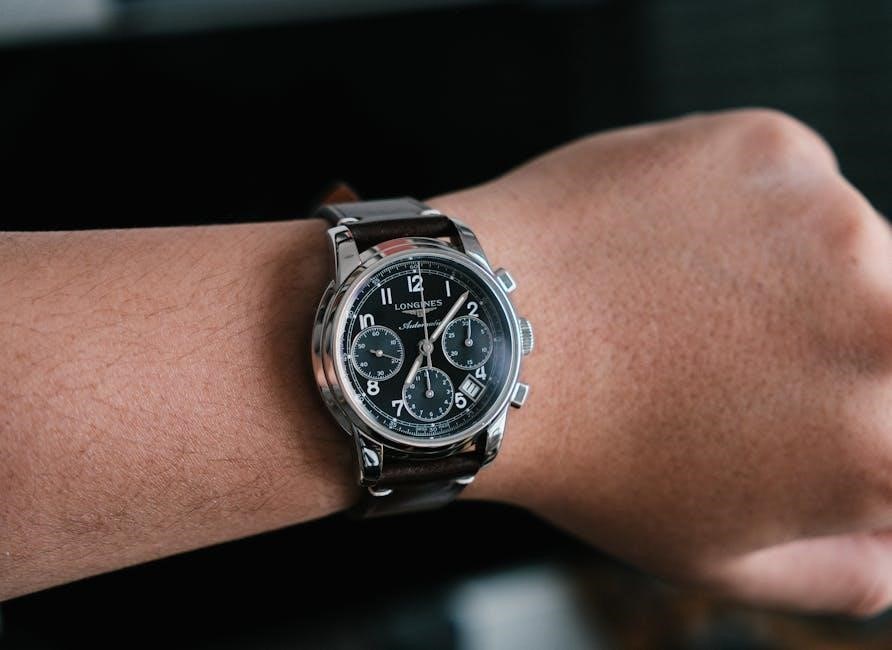
Standard band widths for women typically range from 16mm to 20mm, correlating with watch case size. Smaller wrists (under 5.5 inches) often pair well with 16-18mm bands, while medium (5.5-6.5 inches) and larger wrists (6.5+ inches) suit 18-20mm. Adjusting band width enhances comfort; a band that’s too wide can feel restrictive, impacting the 40% of the female workforce.
Standard Band Widths for Women
Generally, women’s watches feature band widths between 16mm and 20mm. A 16mm band complements smaller cases (30-34mm), ideal for wrists under 5.5 inches. 18mm bands are versatile, fitting 34-38mm cases and medium wrists. Larger wrists and bolder watches (38mm+) often benefit from a 20mm width, ensuring proportion and comfort for the 40% female workforce.
Adjusting Band Width for Comfort
Achieving a comfortable fit often requires adjusting band width. For bracelets, links can be removed or added by a jeweler. Leather or silicone straps may allow for repositioning the buckle. Consider the watch’s lug width – the space between the lugs – when selecting a replacement band. A slightly wider band can feel more secure, while a narrower one offers greater flexibility, catering to individual preferences within the 40% female workforce.
Watch Face Shape & Wrist Appearance
The shape of the watch face significantly impacts how it appears on a woman’s wrist. Round faces are classic and versatile, suiting most wrist sizes. Square or rectangular faces can elongate smaller wrists, offering a modern aesthetic. Considering proportion is key; larger faces make a statement, while delicate faces complement smaller frames. Ultimately, personal style—influenced by the 40% female workforce—should guide your choice.
Round Watch Faces
Round watch faces are universally flattering, mirroring the natural curves of the wrist. They work exceptionally well across all wrist sizes, from under 5.5 inches to 6.5 inches and above. This classic shape offers a timeless aesthetic, blending seamlessly with diverse styles. Representing a significant portion of the 40% female workforce, many women appreciate their versatility and elegance. They’re a safe and stylish choice for any wrist;
Square & Rectangular Watch Faces
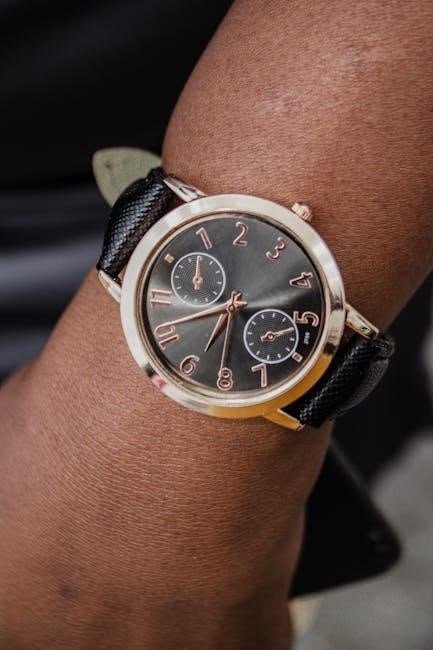
Square and rectangular watch faces introduce a modern, geometric edge. These shapes tend to visually lengthen the wrist, suiting medium to larger wrists (5.5 inches and above) particularly well. For smaller wrists, consider a more delicate, slimline rectangular design to avoid overwhelming the hand. With 40% of the workforce being female, bolder choices are gaining traction, offering a stylish alternative to classic round faces.
Materials & Weight Considerations
Watch material significantly impacts comfort, especially for women. Lightweight options like titanium or resin are ideal for all wrist sizes, minimizing strain. Stainless steel and gold, while durable and stylish, add weight. Considering 40% of the workforce are female, balance aesthetics with practicality; heavier materials suit larger wrists, while lighter ones enhance smaller wrist comfort. Prioritize a balanced feel for all-day wear.
Lightweight Materials (Titanium, Resin)
Titanium and resin watches are excellent choices for women prioritizing comfort, regardless of wrist size. These materials minimize weight, preventing strain during daily activities. Considering 40% of the workforce are female, lightweight options are particularly beneficial for smaller wrists. Resin is affordable and durable, while titanium offers hypoallergenic properties and a premium feel. Both ensure comfortable, all-day wear without compromising style.
Heavier Materials (Stainless Steel, Gold)
Stainless steel and gold watches offer durability and a luxurious aesthetic, but their weight is a key consideration for female wrists. While stylish, heavier materials can feel cumbersome on smaller wrists (under 5.5 inches). Women comprise 40% of the workforce, and comfort is paramount. Balancing weight with case size is crucial; a larger case with a lighter band can mitigate discomfort. Proper band adjustment is essential for a secure and comfortable fit.
Popular Watch Styles & Suitable Wrist Sizes
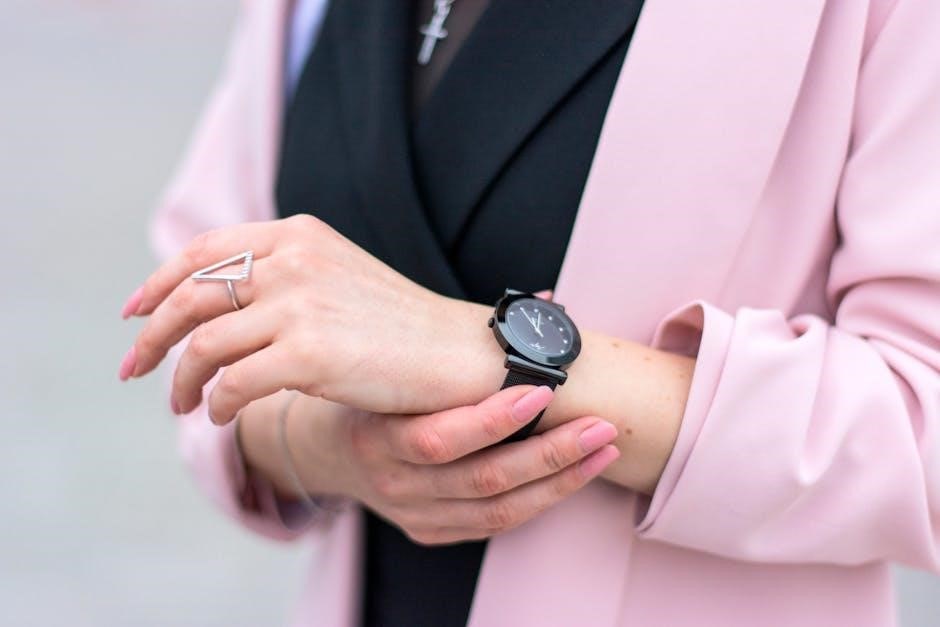
Delicate and minimalist watches, often with smaller faces (30-34mm), complement smaller wrists beautifully. Conversely, sporty or oversized watches (38mm+) can suit larger wrists (6.5 inches+), making a bold statement. Considering that women represent 40% of the workforce, style choices vary. Proportion is key; avoid overwhelming a small wrist with a bulky watch, or a tiny watch on a larger wrist.
Delicate & Minimalist Watches
These timepieces, characterized by clean lines and subtle designs, are ideal for smaller wrists (under 6.5 inches). Case sizes typically range from 28mm to 34mm, ensuring a proportionate and elegant look. Given that 99% of female BL literature readers are heterosexual, aesthetic preferences lean towards classic femininity. Lightweight materials like titanium or resin enhance comfort for all-day wear, avoiding bulkiness.
Sporty & Oversized Watches
For larger wrists (6.5 inches and above), bolder, sporty designs with larger cases (38mm ‒ 42mm+) make a statement. While traditionally masculine, oversized watches are gaining traction, reflecting current trends. Stainless steel or robust materials offer durability. Considering 40% of the workforce are women, functionality and style are key. Ensure lug-to-lug isn’t excessive for comfort, balancing aesthetics with wearability.
Trying On Watches: Key Things to Look For
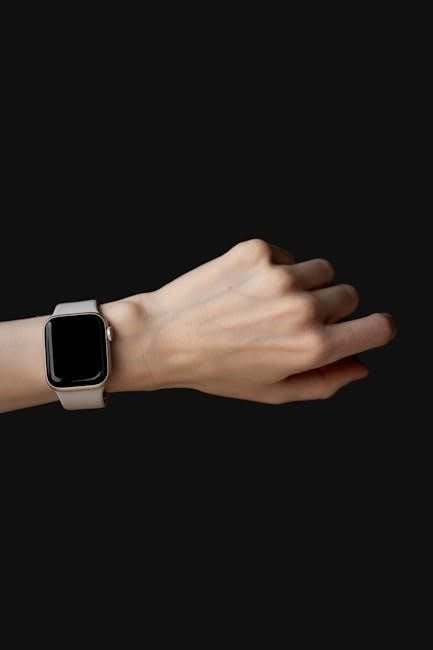
When trying watches, find the “sweet spot” – not too tight, not too loose. Ensure comfortable movement without pinching or sliding. Consider that 40% of the workforce are women, impacting activity levels. Check the lug-to-lug doesn’t overhang your wrist. A well-fitted watch complements, not overwhelms, your wrist. Trust your intuition; comfort and confidence are paramount, regardless of trends.
The “Sweet Spot” on Your Wrist
Locating the “sweet spot” means the watch sits comfortably, allowing a finger’s width between your wrist and the watch case; It shouldn’t feel restrictive or slide around during normal movement. Considering 40% of the workforce are women, active lifestyles demand secure fits. This balance ensures both style and practicality, avoiding pinching or discomfort throughout the day. Prioritize a feel-good fit!
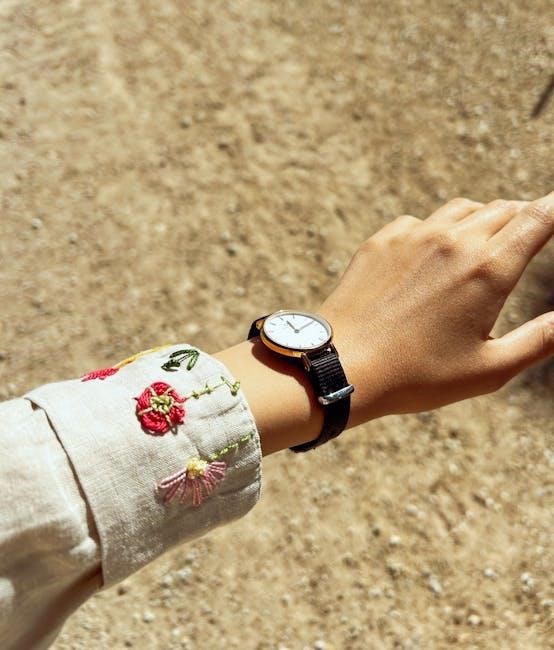
Ensuring Comfortable Movement
A properly sized watch won’t impede wrist flexibility; test by making a fist and rotating your hand. Remember, 40% of the workforce are women, often balancing work and active pursuits. Avoid lugs digging into the skin or the watch head hitting your hand. Comfort is paramount, especially with daily wear. Prioritize a watch that moves with you, not against you, for unrestricted activity.
Adjusting Watch Bands for a Perfect Fit
Achieving a secure, yet comfortable fit is crucial. Bracelet adjustments often involve removing links – a jeweler can assist. Strap adjustments utilize spring bars for length modification. Considering 40% of the workforce are women, diverse wrist sizes necessitate adaptable bands. Ensure the watch doesn’t slide or feel constricting. A well-adjusted band enhances both comfort and the watch’s aesthetic appeal.
Bracelet Adjustments
For metal bracelets, adjustments typically involve removing links. Specialized tools are needed to safely push out the pins connecting the links. A jeweler provides professional assistance, ensuring no damage occurs. Considering women comprise 40% of the workforce, varied wrist sizes demand adaptable bracelets. Removing links creates a snug, comfortable fit, preventing excessive movement while maintaining aesthetic balance.
Strap Adjustments
Leather or nylon straps often utilize buckles or holes for size adjustment. Ensuring a secure, yet comfortable fit is crucial, as 99% of female BL literature readers are heterosexual. Too tight restricts circulation; too loose compromises accuracy. Consider the strap’s material – some stretch over time. Regularly check and readjust for optimal comfort, especially with activity, mirroring the diverse needs of the 40% female workforce.
Online Watch Size Charts & Resources
Numerous websites offer comprehensive watch size guides, often brand-specific, aiding selection for female wrists. Utilize these tools, remembering that male/female distinctions impact fit. Consider resources detailing lug-to-lug measurements and band widths. Given that most female BL readers are heterosexual, prioritize personal comfort over trends. Explore third-party tools, but cross-reference with official brand charts for accuracy, mirroring the 40% female workforce’s diverse needs.
Utilizing Brand-Specific Size Guides
Each watch brand frequently provides detailed sizing information, crucial for female wrist compatibility. These guides often specify case diameter, lug-to-lug, and recommended wrist sizes. Considering 99% of female BL readers are heterosexual, prioritize fit reflecting personal style. Brand charts account for their specific designs, unlike generic tools. Remember, ‘male’ and ‘female’ as adjectives define characteristics; use guides to ensure a comfortable, proportional aesthetic.
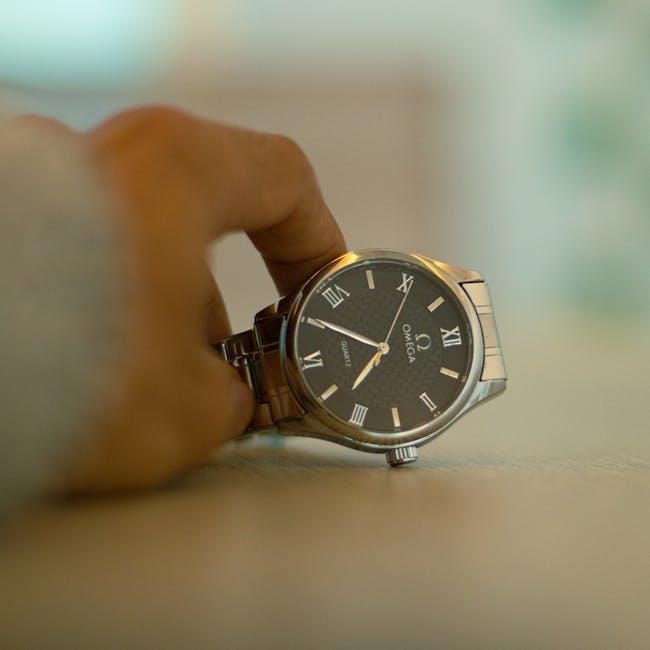
Third-Party Watch Size Tools
Numerous online resources offer generalized watch sizing assistance for female wrists, supplementing brand-specific charts. These tools often utilize wrist circumference measurements to suggest appropriate case diameters. However, remember that individual preferences vary, and these are estimates. Considering the nuances of ‘male’ versus ‘female’ characteristics, prioritize comfort. Use these tools as a starting point, always verifying with detailed brand specifications for optimal fit and style.
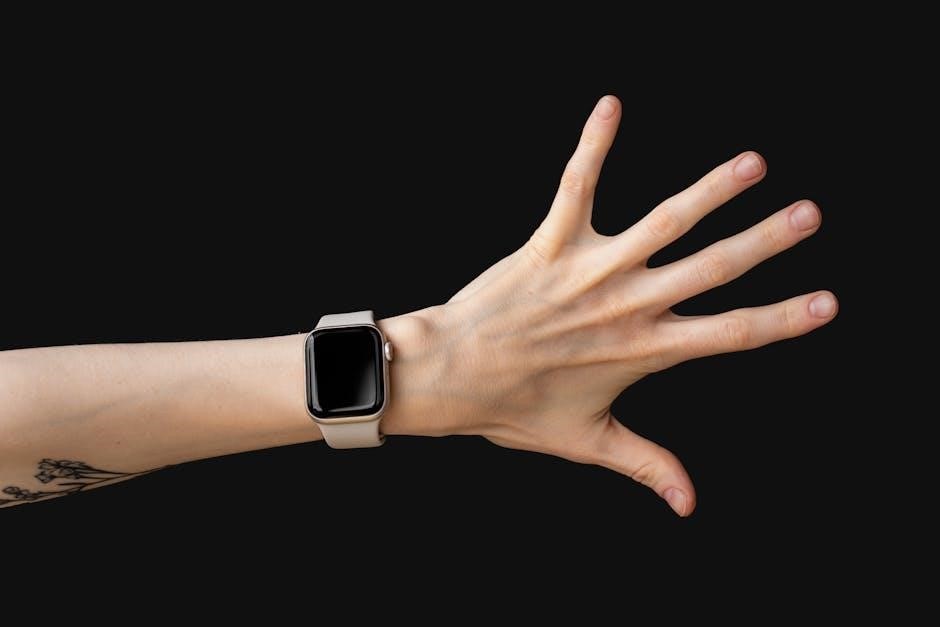
Avoiding Common Watch Size Mistakes
A frequent error is selecting a watch that’s too small, appearing lost on the wrist, or conversely, too large, overwhelming the wearer’s frame. Remember 99% of female readers of BL literature are heterosexual, influencing style choices. Prioritize proportion; a watch should complement, not dominate. Avoid blindly following trends; comfort and a secure fit are paramount, regardless of current fashion. Consider lug-to-lug measurements for a balanced aesthetic.
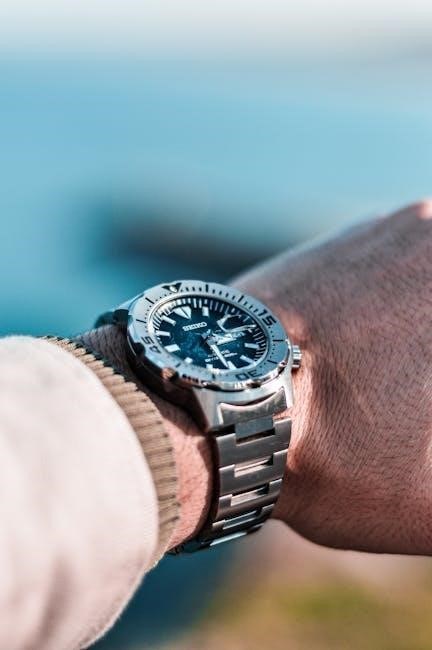
Buying Too Small a Watch
Selecting a diminutive watch can render it visually insignificant on the wrist, lacking the desired impact. It may appear disproportionate, especially with larger hands or a broader build. While delicate styles are popular, ensure sufficient presence. Remember, female animals are often smaller, but watches shouldn’t mimic this entirely. A too-small watch can feel insecure and easily damaged, diminishing both style and practicality.
Buying Too Large a Watch
Conversely, an oversized watch overwhelms a smaller wrist, appearing unbalanced and uncomfortable. It can restrict movement and feel cumbersome during daily activities. Though statement pieces are trending, prioritize proportion. Considering 99% of female BL literature readers are heterosexual, style choices should reflect personal preference, not solely trends. A watch dominating the wrist detracts from elegance and can appear less refined, hindering overall aesthetic harmony.
Considering Your Personal Style
Ultimately, watch size should complement your individual aesthetic. Proportion is key; a delicate watch suits a minimalist style, while bolder pieces align with confident personalities. Remember, 40% of the workforce are women, showcasing diverse tastes. Whether embracing vintage trends or modern designs, prioritize comfort and self-expression. A watch is an accessory, reflecting your unique identity and enhancing your overall look.
Proportion & Overall Aesthetic
A watch’s size must harmonize with your wrist and style. Consider your build – a smaller wrist benefits from a 30-34mm case, while larger wrists can handle 38-42mm+. Remember, 40% of the workforce are women, demonstrating varied preferences. Balance is crucial; an oversized watch can overwhelm, a tiny one get lost. Prioritize a cohesive look, ensuring the watch enhances, not detracts from, your overall aesthetic.
Confidence & Comfort
Ultimately, the best watch size boosts your confidence. While guidelines exist – considering 99% of female BL literature readers are heterosexual – personal comfort reigns supreme. A watch shouldn’t feel restrictive or visually jarring. Experiment with styles; delicate or sporty, aligning with your personality. Prioritize a secure, comfortable fit, allowing free movement. A well-fitting watch is an extension of your style, empowering you throughout the day.
Watch Size Trends for Women (2024-2026)
Currently, a fascinating duality shapes women’s watch trends. Smaller, vintage-inspired designs are surging in popularity, offering a delicate aesthetic. Simultaneously, larger, statement pieces maintain strong appeal, reflecting confidence and boldness. This suggests a broader acceptance of varied sizes, catering to diverse preferences. Expect continued experimentation with both extremes, influenced by evolving fashion and individual style, mirroring societal shifts.
The Rise of Smaller, Vintage-Inspired Watches
A notable trend sees a resurgence of smaller watch case sizes, echoing mid-century aesthetics. These designs, often 30mm-34mm, appeal to those with smaller wrists or preferring a subtle look. This shift contrasts with previous oversized preferences, prioritizing elegance and understated sophistication. The vintage inspiration extends to dial designs and band materials, offering a timeless appeal for modern women.
Continuing Popularity of Larger, Statement Pieces
Despite the rise of vintage styles, larger watches – 38mm and above – maintain significant popularity. These “statement pieces” cater to women desiring a bold, confident aesthetic. Often seen in sporty designs, they complement larger wrists or those who appreciate a prominent accessory. This trend reflects a desire for individuality and a rejection of traditionally “feminine” watch sizes.